Teaching for All (Applying AI to Support Diverse Learners)
DATES
3.-11.4.2026.;
9.-13.5.2026.;
15.6-20.6.2026.;
20.6-25.6.2026.;
1.7.-5.7.2026.;
2.9-6.9.2026.;
5.10.-11.10.2026.;
11.11.-15.11.2026.
VENUE
Belgrade, Novi Sad, Niš, Subotica – Serbia
This course aims to empower educators with practical knowledge and hands-on skills to use Artificial Intelligence in ways that promote inclusion, accessibility, and equal participation in education. Participants will learn how to integrate AI tools to support diverse learners, including multilingual students, students with disabilities, and those with individual learning needs. The programme focuses on strengthening teachers’ capacity to design accessible materials, differentiate instruction, and reduce learning barriers through responsible use of technology. A key aim is to build participants’ understanding of ethical AI use, data protection, and bias awareness in educational contexts. By the end of the course, educators will be able to confidently apply AI-supported strategies in their daily practice and create learning environments where every student can succeed.
This course provides educators with practical knowledge and hands-on experience in using Artificial Intelligence to support inclusion, accessibility, and equitable learning. Participants will explore AI tools that assist multilingual learners, students with disabilities, and those with diverse learning styles, while gaining strategies to adapt teaching materials and differentiate instruction effectively. The programme combines essential theory with classroom-ready applications, focusing on ethical AI use, digital wellbeing, and bias awareness. Through interactive workshops, collaborative tasks, and guided practice, educators will develop inclusive AI-based resources they can immediately implement. By the end of the training, participants will feel confident using AI to remove barriers, personalize learning, and create more accessible and supportive classrooms for all students.
CURRICULUM
Module 1: Opening, Shared Experiences & Understanding the Reality of Teaching
- Participant introductions and expectations
- Introduction to the training theme
- Identifying barriers in everyday teaching
- Sharing coping strategies and effective methods
The first day creates a safe and supportive space for participants to get to know each other, connect, and articulate their expectations for the training. Through guided discussion and group activities, participants identify common barriers they encounter in their professional practice — from workload and motivation issues to digital challenges. They reflect on how they currently cope with these obstacles and share methods, tools, and personal strategies that help them stay resilient. This session builds a foundation of trust and sets the tone for collaborative learning throughout the course.
Module 2: Essential AI Tools for Everyday Teaching
- Overview of the most commonly used AI tools in education
- Responsible and ethical AI use (theoretical introduction)
- Practical demonstrations and guided practice
Day 2 introduces participants to the most widely used AI tools that can support everyday teaching tasks, including content creation, differentiation, translation, and accessibility features. The morning session covers essential theory on responsible AI use, focusing on ethics, data protection, transparency, and avoiding bias. In the afternoon, participants begin hands-on practice, exploring selected tools through guided tasks and real-life classroom scenarios. By the end of the day, they will understand both the potential and limitations of AI in education and feel confident using it in a safe and responsible way.
Module 3: Inclusive AI Tools for Supporting Learners with Disabilities
- Introduction to AI tools that enhance accessibility
- Exploring features for students with disabilities
- Hands-on practice with inclusive and assistive technologies
Day 3 focuses on AI-powered tools designed to support learners with disabilities and reduce barriers to participation. Participants explore text-to-speech, speech-to-text, visual support tools, captioning, reading assistance, and AI features that help students with cognitive, sensory, or language difficulties. Through guided exploration and practical activities, participants learn how to match specific tools to student needs and adapt materials for greater accessibility. The day emphasizes creating inclusive learning environments where every student can engage meaningfully and independently.
Module 4: Applying UDL Principles and Creating AI-Enhanced Inclusive Materials
- Understanding Universal Design for Learning (UDL)
- Where UDL exists in our environments and how it appears in everyday practice
- Assigning tasks and defining individual or group projects
- Research, exploration, and creation of draft materials
Day 4 introduces Universal Design for Learning (UDL) as a framework that benefits all learners, not only those who require additional support. Participants examine where UDL already exists in their school environments and how its principles can be integrated into everyday teaching. Building on this foundation, they receive individual or group project tasks and begin designing AI-enhanced materials aligned with UDL principles. Guided research, exploration, and hands-on creation prepare participants for the final presentations on Day 5.
Module 5: Presentation of Final Products & Course Wrap-Up
- Finalization and presentation of AI-based inclusive materials
- Peer feedback and reflection
- Evaluation, next steps, and closing session
On the final day, participants present their completed AI-enhanced inclusive resources and explain how they plan to use them in their classrooms. Through structured peer feedback, they reflect on challenges, strengths, and future improvements. The group reviews key learning points from the entire course and discusses strategies for sustaining responsible, inclusive AI use in schools. The training concludes with evaluation, certificates, and a collaborative wrap-up session celebrating participants’ progress and new competencies.
CERTIFICATION
At the end of the Erasmus training course, all participants receive official documentation confirming their successful completion of the programme. Each participant is awarded a Certificate of Attendance, issued by the organising institution, which verifies the learning outcomes achieved, the total number of training hours, and the course topics covered.
In addition, participants receive a Europass Mobility Certificate, prepared in accordance with the Erasmus+ quality standards. This document records the skills, competencies, and knowledge gained during the course and is fully recognised across Europe, making it a valuable addition to professional portfolios and CVs.
Together, these certificates provide participants with formal recognition of their professional development, supporting further career advancement, mobility opportunities, and validation of newly acquired competencies within their educational or professional institutions.
Instructor
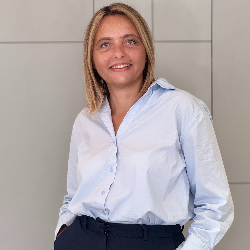
Zdravka Majkić is an experienced educator and trainer specializing in the responsible use of Artificial Intelligence in teaching and inclusive learning environments. She has delivered numerous AI-focused workshops, training programs, and consultations for teachers, schools, and organizations, helping educators integrate digital tools with confidence and pedagogical purpose. Zdravka is the author of several publications on AI in education and has developed two accredited professional development seminars currently used across the school system. Her work is strongly shaped by her background in international youth programs, Erasmus+ participation, and long-standing engagement in promoting accessibility, equity, and high-quality learning for all students. She supports schools in designing inclusive practices, using UDL principles and AI tools to remove barriers and personalize learning. Zdravka is committed to empowering non-technical professionals to use AI practically, ethically, and creatively in their everyday work.
You May Like

Inclusive Classroom Practices: Identifying and Addressing Differences
The aim of the course is to enable participants to recognize and respond effectively to differences in the classroom, fostering a culture of acceptance and...

BrainBoost Academy: Advanced Cognitive Training for Youth & Adults
The aim of the course is to develop advanced cognitive, perceptual and multisensory skills in participants, empowering them to apply functional techniques of cognitive stimulation...

Building a Collaborative Partnership Between Parents and Professionals in Early Intervention
Participants will learn how to strengthen parental competencies and offer appropriate support throughout the diagnostic process and daily life with a child experiencing developmental delays....


Stress management-burnout prevention
The goal of the course is to clarify the path that stress present to us, how we react to stressful situations, what emotions are involved...


Designing Accessible Learning Materials: Practical Tools for Inclusive Education
The aim of this course is to equip educators, youth workers, and trainers with practical skills for creating accessible learning materials that support full participation...