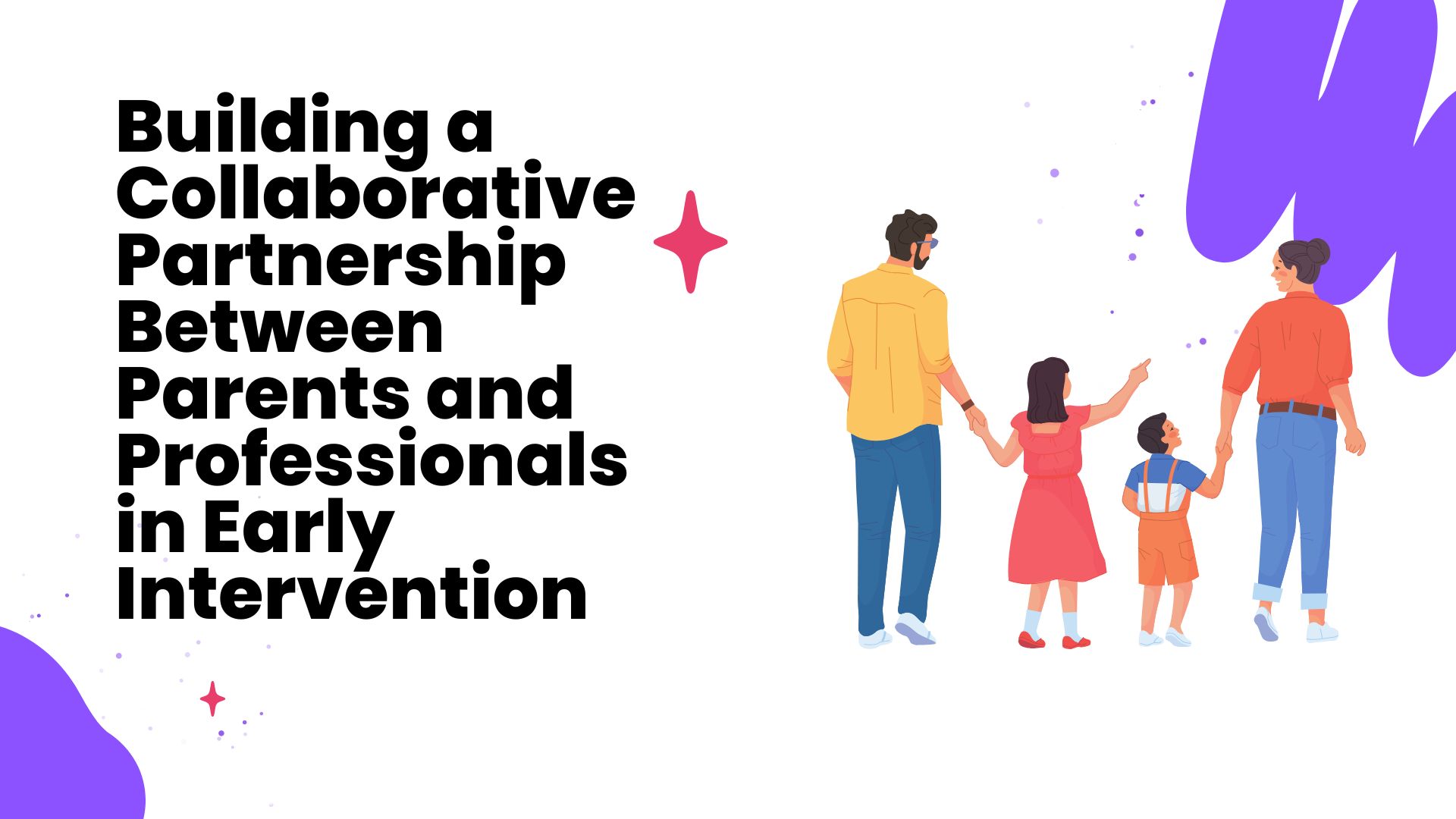
Building a Collaborative Partnership Between Parents and Professionals in Early Intervention
DATES
4.5. – 8.5.2026
22.6. – 26.6.2026.
28.9 – 2.10.2026.
23.11. – 27.11.2026.
VENUE
Belgrade – Serbia
Beyond providing theoretical foundations and practical examples of high-quality early intervention, this course aims to give visibility and voice to the often “invisible” parents. Its primary goal is to shift the experience of personal struggle into a shared, collective one by fostering a much-needed support network essential for overall well-being and progress. Participants will learn how to strengthen parental competencies and offer appropriate support throughout the diagnostic process and daily life with a child experiencing developmental delays. The course is designed to help professionals build genuine partnerships with families—partnerships that enable us to face challenges together and promote the best possible developmental outcomes.
In the training course I have designed, I will begin by introducing participants to early intervention — what it entails and why stimulation during early childhood is of crucial importance. Special attention will be dedicated to early detection and appropriate referral of children with developmental difficulties. I will then focus on functional assessment, which is essential for effective treatment planning. I will help participants understand the importance of adequate functional assessment and develop the skills needed to set functional goals that align with family priorities and the child’s capabilities. A significant part of the course will be devoted to counseling work with parents, appropriate approaches, and building a collaborative partnership with them. Another key component of the course will be strengthening parental competencies to enhance the child’s development within their natural environment. We will also address the often-overlooked topic of the mental health of parents of children with developmental difficulties. I will demonstrate how to support a child’s development through routine-based learning. Finally, we will focus on evaluating the quality of practice and ongoing monitoring of the child’s progress. All lectures will be supported by examples from my daily professional practice to give participants a clearer insight into real-world situations. In addition to the lectures, I will conduct daily interactive workshops designed to help participants better understand and apply the knowledge gained throughout the course.
CURRICULUM
Module 1: Early Intervention
- On the first day, we will focus on the concept of Early intervention—what it is and why it is important. We will address early detection and the initial red flags across all developmental domains that may indicate deviations in a child’s development.
Module 2: Assessment
- On the following day, we will explore functional assessment, including how to identify a child’s strengths and determine skills within their zone of proximal development. Using numerous examples, we will define appropriate functional goals based on the results of the functional assessment. Most importantly, we will align family priorities with functional goals, emphasizing the role of parents and the importance of recognizing their needs and preferences.
Module 3: Parent Counseling
- In this section, we will focus on working directly with parents. We will discuss nurturing effective communication and building a collaborative partnership with them. We will also address the topic of mental health among parents of children with developmental disabilities.
Module 4: Learning Through Routines
- Together, we will examine the everyday life of families of children with developmental disabilities, helping participants recognize the importance of the child’s natural environment for their development. We will define how daily routines directly impact the child’s progress and the parents’ overall well-being.
Module 5: Evaluation
- On the final day, we will focus on monitoring progress. We will explore the impact of positive feedback from parents on professional work and discuss the role of motivation within the intervention process.
CERTIFICATION
At the end of the Erasmus training course, all participants receive official documentation confirming their successful completion of the programme. Each participant is awarded a Certificate of Attendance, issued by the organising institution, which verifies the learning outcomes achieved, the total number of training hours, and the course topics covered.
In addition, participants receive a Europass Mobility Certificate, prepared in accordance with the Erasmus+ quality standards. This document records the skills, competencies, and knowledge gained during the course and is fully recognised across Europe, making it a valuable addition to professional portfolios and CVs.
Together, these certificates provide participants with formal recognition of their professional development, supporting further career advancement, mobility opportunities, and validation of newly acquired competencies within their educational or professional institutions.
Instructor

Nikolija Petrović is a special educator with a strong professional focus on early childhood development and the mental health of parents of children with developmental difficulties. In her daily practice, she recognizes the essential role parents play in their child’s progress and overall well-being. Motivated by this understanding, she developed this course to specifically address healthy family dynamics that foster optimal developmental outcomes. These dynamics are built through a collaborative, partnership-based relationship with parents, which will serve as a central focus of the course.
You May Like

Inclusive Classroom Practices: Identifying and Addressing Differences
The aim of the course is to enable participants to recognize and respond effectively to differences in the classroom, fostering a culture of acceptance and...

BrainBoost Academy: Advanced Cognitive Training for Youth & Adults
The aim of the course is to develop advanced cognitive, perceptual and multisensory skills in participants, empowering them to apply functional techniques of cognitive stimulation...
Teaching for All (Applying AI to Support Diverse Learners)
This course aims to empower educators with practical knowledge and hands-on skills to use Artificial Intelligence in ways that promote inclusion, accessibility, and equal participation...

Stress management-burnout prevention
The goal of the course is to clarify the path that stress present to us, how we react to stressful situations, what emotions are involved...


Designing Accessible Learning Materials: Practical Tools for Inclusive Education
The aim of this course is to equip educators, youth workers, and trainers with practical skills for creating accessible learning materials that support full participation...