Peacebuilding in Patriarchal Societies in the Post-Conflict Period
DATES
April 10-15;
July 2-6;
October 1-5;
December 3-7
COURSE DESCRIPTION
This course aims to explore contemporary challenges within patriarchal social structures and their connection to peacebuilding processes. It examines how patriarchal norms emerge from religion and tradition, while highlighting examples that dismantle the misconception that religion inherently reinforces patriarchy. Through guided instruction, the course analyzes the modern role of civil society in peacebuilding and the importance of coordinated, community-level action in supporting vulnerable groups for whom the absence of war does not automatically create positive peace. Participants will study what constitutes positive peace, which layers of society are most affected in post-conflict contexts, and how these inequalities can be addressed. The course further investigates how activism, media presence, and feminist and pluralistic approaches to interreligious relations contribute to transforming social dynamics. Overall, it provides a structured framework for understanding the intersection of patriarchy, peacebuilding, and community empowerment.
This course offers a comprehensive overview of the dynamics of patriarchy and their impact on peacebuilding processes in post-conflict societies. Through an interdisciplinary lens, it examines how religion, tradition, and cultural norms shape gender roles, and how civil society, media, and activist initiatives contribute to transforming these structures. Participants explore key concepts such as positive peace, social resilience, and inclusive practices, with particular attention to vulnerable groups and interreligious dialogue. Combining theoretical perspectives with practical case studies and guided discussions, the course encourages critical thinking and a deeper understanding of the complex relationship between patriarchy, peacebuilding, and community empowerment.
CURRICULUM
Module 1
Peace in the 21st Century: Navigating Digital Transformation, Global Crises, and Post-Conflict Realities
This module critically analyses the global paradox of progress. While parts of the world advance toward automation, innovation, and knowledge-based economies, others continue to face famine, preventable diseases, political instability, and deep structural inequalities.
Special attention is given to societies trapped in prolonged transition and unresolved post-conflict realities—such as the Western Balkans—where peace without justice, stalled reforms, and intergenerational trauma obstruct the development of positive peace.
Through case studies, guided discussions, and feminist and pluralistic perspectives, participants are encouraged to rethink peace as a dynamic and multidimensional process, shaped by technological, political, social, and cultural forces.
Module 2
Interreligious Approaches to Peace and the Interconnection Between Patriarchy and Religion
This module examines how patriarchal norms emerge, persist, and gain social legitimacy through cultural traditions and religious interpretations, particularly within monotheistic faiths.
By exploring how Judaism, Christianity, and Islam conceptualize gender roles, participants analyze the tension between sacred texts, historical practices, and contemporary interpretations—highlighting how these readings can either reinforce or dismantle structures of inequality.
The session emphasizes how gender-based violence in patriarchal settings often becomes normalized and perceived as “tradition” rather than a human rights violation, while simultaneously marginalizing women’s role in peacebuilding.
Drawing on principles of interreligious dialogue, the module explores how contextual theology, reinterpretation, and pluralistic cooperation among faith communities can disrupt cycles of transgenerational violence and contribute to sustainable peace. Participants reflect on the role of religious institutions, leaders, and feminist theologians as potential agents of change in post-conflict societies.
Module 3
The Role of Civil Society in Post-Conflict Transition and Social Transformation in the Western Balkans
This module explores the evolving role of civil society organizations (CSOs) in building positive peace, strengthening social cohesion, and supporting communities in long-term post-conflict contexts, with a particular focus on the Western Balkans.
Participants examine how CSOs function as mediators, educators, watchdogs, and drivers of social transformation—often compensating for institutional weaknesses during periods of transition.
Through the lenses of networking, community mobilization, and cross-sector collaboration, the module analyzes how civil society creates safe spaces for dialogue, challenges stereotypes, counters extremist narratives, and empowers marginalized groups.
The session also addresses contemporary sociological phenomena such as digital activism, youth engagement, cultural initiatives, and transnational networks, demonstrating how these dynamics reshape peacebuilding practices and public discourse.
Module 4
Storytelling, Representation, and Information Ecosystems: Challenging Patriarchy and Transforming Conflict
This module examines the transformative power of storytelling, media, and digital communication in peacebuilding processes and in challenging patriarchal norms within post-conflict societies.
Participants analyze how media framing, representation of women, and portrayals of religious and cultural identities influence collective memory, social cohesion, and perceptions of “the other.”
Special attention is given to the role of misinformation, online hate speech, and sensationalist narratives, alongside feminist, pluralistic, and counter-narrative initiatives that promote positive peace.
The module places a strong focus on the Western Balkan media landscape, exploring its impact on reconciliation processes, interreligious relations, and the normalization or dismantling of harmful stereotypes.
CERTIFICATION
At the end of the Erasmus training course, all participants receive official documentation confirming their successful completion of the programme. Each participant is awarded a Certificate of Attendance, issued by the organising institution, which verifies the learning outcomes achieved, the total number of training hours, and the course topics covered.
In addition, participants receive a Europass Mobility Certificate, prepared in accordance with the Erasmus+ quality standards. This document records the skills, competencies, and knowledge gained during the course and is fully recognised across Europe, making it a valuable addition to professional portfolios and CVs.
Together, these certificates provide participants with formal recognition of their professional development, supporting further career advancement, mobility opportunities, and validation of newly acquired competencies within their educational or professional institutions.
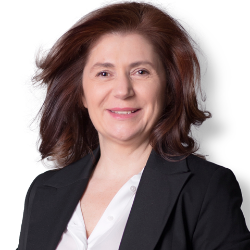
Instructor
Dedicated to fostering social inclusion and empowering vulnerable community groups through tailored educational initiatives and community-driven support mechanisms.
With extensive experience in project management, human resource operations, network facilitation, and digital literacy, meaningful partnerships have been established and advanced research conducted to build a resilient support system for children and youth facing behavioral challenges.
Efforts have paved the way for collaborative frameworks that serve as the cornerstone of transformative community development, reflecting a steadfast commitment to social justice and the conviction that every individual deserves access to education and psychosocial support.
Contributions include organizing workshops and events that enhance networking and knowledge-sharing while empowering families at risk, women affected by gender-based violence, internally displaced persons, refugees, volunteers, and returnees. These initiatives have provided essential tools for social inclusion, reintegration, and solidarity-building, combining humanitarian dedication with educational expertise to deliver tangible and lasting change within communities.
BA & MA degree in English language and literature and 10 years of teaching experience in formal and non-formal settings (schools, university, training, language courses, psychosocial sessions with youth at risk, etc.), as well as MA in Interreligious studies and peacebuilding have grounded my work and skillset for building resilience within youth and other marginalized community groups.
You May Like
Inclusive Classroom Practices: Identifying and Addressing Differences
The aim of the course is to enable participants to recognize and respond effectively to differences in the classroom, fostering a culture of acceptance and...
BrainBoost Academy: Advanced Cognitive Training for Youth & Adults
The aim of the course is to develop advanced cognitive, perceptual and multisensory skills in participants, empowering them to apply functional techniques of cognitive stimulation...
Teaching for All (Applying AI to Support Diverse Learners)
This course aims to empower educators with practical knowledge and hands-on skills to use Artificial Intelligence in ways that promote inclusion, accessibility, and equal participation...
Building a Collaborative Partnership Between Parents and Professionals in Early Intervention
Participants will learn how to strengthen parental competencies and offer appropriate support throughout the diagnostic process and daily life with a child experiencing developmental delays....
Stress management-burnout prevention
The goal of the course is to clarify the path that stress present to us, how we react to stressful situations, what emotions are involved...