Understanding Sensory and Motor Development

DATES
April 6-10, 2026 (Spring);
June 22-26, 2026 (Summer); June 29 – July 3, 2026 (Summer – alternative option);
October 19-23, 2026 (Autumn);
and either December 14-18, 2026 or
February 15-19, 2027 (Winter).
VENUE
Belgrade – Serbia
The aim of this course is to equip educators, therapists, parents, and other professionals working with children with a deeper understanding of how sensory and motor development influences learning, play, behavior, and participation. The program seeks to strengthen participants’ ability to identify sensory and motor needs and to interpret everyday behavior, whether in the classroom, at home, in therapy, or in community environments, through a developmental and neurodiversity-affirming lens. Evidence-based strategies will be introduced to enhance attention, self-regulation, engagement and functional participation across multiple contexts where children learn and grow. The course also aims to promote the creation of inclusive, supportive and sensory-responsive environments that reduce barriers to learning and increase meaningful involvement in daily activities. Ultimately, the program empowers adults to improve their practice and interactions, contributing to the overall development, well-being and success of all children and students.
This five-day course introduces educators, therapists, parents and other professionals working with children to the essential connection between sensory and motor development and children’s learning, behavior, and participation. Participants will explore how sensory systems function, how children interpret incoming information and how these processes influence focus, emotional regulation, communication and academic success. Practical strategies grounded in current research will help participants recognize early signs of sensory and motor challenges, such as restlessness, avoidance, hypersensitivity, or difficulties with fine motor tasks and respond to them effectively.
The course emphasizes the importance of movement, proprioception and structured motor experiences in supporting attention and self-regulation. By combining lectures, collaborative discussions and real-case analysis, participants will learn how to create environments that reduce learning barriers and promote greater engagement and inclusion. Equipped with actionable tools and a deeper developmental understanding, participants will be better prepared to support diverse learners across different settings and contribute to their overall growth, well-being and success.
CURRICULUM
Module 1: Foundations of Sensory Processing and Child Development
- Participants are introduced to the sensory systems and how the brain receives, organizes, and interprets sensory input. Focus on understanding how sensory processing influences attention, emotional regulation and learning behaviors. Educators build a foundational perspective for identifying sensory-related challenges.
Module 2: Motor Development and Its Impact on Learning and Regulation
- This session explores gross and fine motor skills and their crucial role in school readiness, posture, handwriting, and participation. Through a developmental lens, participants examine how motor challenges may manifest in the classroom. Strategies for supporting motor development across age groups are discussed.
Module 3: Understanding Student Behaviors Through a Sensory-Motor Framework
- Participants learn to interpret behaviors such as restlessness, avoidance, impulsivity or sensory-seeking as possible signs of unmet sensory or motor needs. Case examples illustrate how similar behaviors can have different underlying causes. Participants practice identifying the connection between behavior and sensory-motor function.
Module 4: Sensory and Motor Support Strategies in Different Settings
- Focus on practical and adaptable strategies that promote attention, self-regulation and participation. Participants explore ways to incorporate movement, proprioceptive input and fine motor tasks into daily routines without disrupting instructional time. Tools for creating inclusive and supportive environments are presented.
Module 5: Application, Reflection and Collaborative Solution Planning
- Participants work collaboratively to apply what they have learned to real-world scenarios relevant to their own professional context, whether in teaching, therapy or related support roles. The session supports individualized planning, ensuring strategies are meaningful and relevant to diverse children needs. Reflection activities reinforce confidence, competence and future implementation in practice.
CERTIFICATION
At the end of the Erasmus training course, all participants receive official documentation confirming their successful completion of the programme. Each participant is awarded a Certificate of Attendance, issued by the organising institution, which verifies the learning outcomes achieved, the total number of training hours, and the course topics covered.
In addition, participants receive a Europass Mobility Certificate, prepared in accordance with the Erasmus+ quality standards. This document records the skills, competencies, and knowledge gained during the course and is fully recognised across Europe, making it a valuable addition to professional portfolios and CVs.
Together, these certificates provide participants with formal recognition of their professional development, supporting further career advancement, mobility opportunities, and validation of newly acquired competencies within their educational or professional institutions.
Instructor

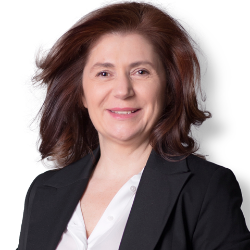
Lana Zrnić, MSc Special Educator and Rehabilitator PhD Candidate in Special Education and Rehabilitation Belgrade, Serbia Lana Zrnić is a Special Educator and Rehabilitator with professional experience in international and clinical settings, early childhood development and sensory-motor intervention. Her work includes supporting children with developmental, sensory and learning needs through individualized and evidence-based programs. As a certified Sensory Inclusion Facilitator, she specializes in sensory processing differences and their impact on learning and behavior. Lana has contributed to multiple national and international conferences, presenting topics in the areas of motor development, autism spectrum disorder, parental involvement and inclusive education. Her research has been published in peer-reviewed journals in the fields of Special Education and Rehabilitation, assistive technology and inclusive learning environments. She is currently pursuing her PhD at the University of Belgrade, focusing on sensory-motor development and early intervention. Drawing from practical, academic and interdisciplinary experience, she develops and implements training for educators and therapists to enhance inclusion, student engagement and holistic development across different settings.
You May Like
Inclusive Classroom Practices: Identifying and Addressing Differences
The aim of the course is to enable participants to recognize and respond effectively to differences in the classroom, fostering a culture of acceptance and...

BrainBoost Academy: Advanced Cognitive Training for Youth & Adults
The aim of the course is to develop advanced cognitive, perceptual and multisensory skills in participants, empowering them to apply functional techniques of cognitive stimulation...
Teaching for All (Applying AI to Support Diverse Learners)
This course aims to empower educators with practical knowledge and hands-on skills to use Artificial Intelligence in ways that promote inclusion, accessibility, and equal participation...

Building a Collaborative Partnership Between Parents and Professionals in Early Intervention
Participants will learn how to strengthen parental competencies and offer appropriate support throughout the diagnostic process and daily life with a child experiencing developmental delays....
Stress management-burnout prevention
The goal of the course is to clarify the path that stress present to us, how we react to stressful situations, what emotions are involved...