Psychological Counselling for Parents of Children with Special Needs/Chronically Ill Children
COURSE DESCRIPTION
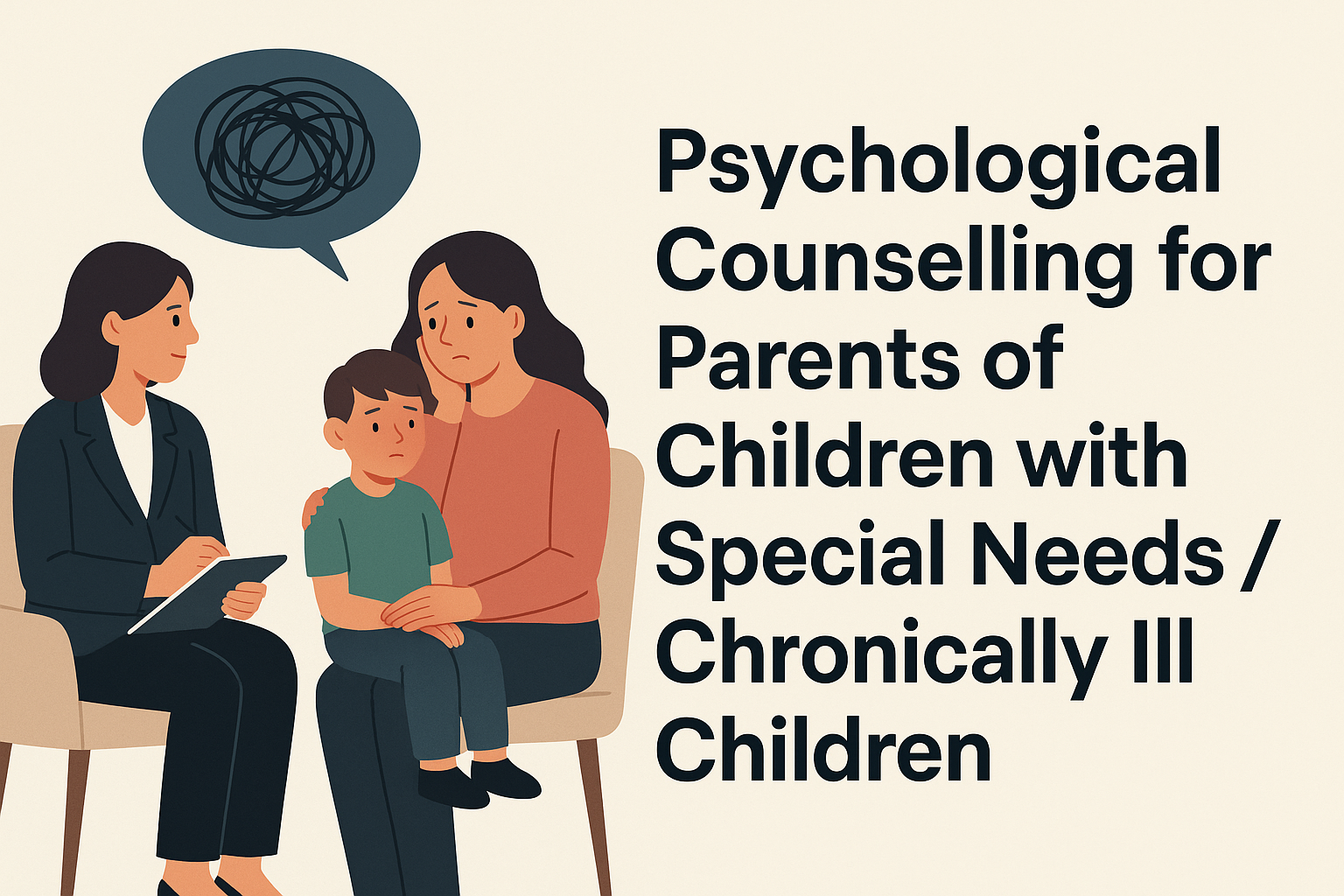
The main aim of the course is to provide support to the parents who have special family dynamics due to chronical challenge in their parenthood. Psychological support is intended for them on the one hand, since they go through various psychological stages and on the other hand to teach them how to establish the best relationship with children, depending on their special needs and to adapt to the situation that is lifelong.
CURRICULUM
1. Setting the Scene
This section introduces psychological counselling, clarifying what it is, who it aims to help, and which professionals provide support.
2. Family Adaptation to the Challenge
This section explores the consequences of disease and developmental disabilities, explains the concepts of family adaptation and coping with a diagnosis, and identifies potential challenges that may arise.
3. Providing Support – Aims, Relationship, and Process
This section outlines the aims of support, contrasts partnership and professional models, and describes the core stages in the support-provision process.
4. The Beginning of Establishing a Relationship
This section covers the essential attitudes and skills for initiating a helping relationship, guiding the first meeting with clients and presenting case examples.
5. Helping Parents to Change
This section addresses how to support parents through receiving bad news and explains theoretical perspectives on constructing adaptive structures for change.
6. Problem Solving
This section presents a structured problem-solving approach, including goal definition, action planning, implementation, evaluation, and effective supportive strategies.
CERTIFICATION
At the end of the Erasmus training course, all participants receive official documentation confirming their successful completion of the programme. Each participant is awarded a Certificate of Attendance, issued by the organising institution, which verifies the learning outcomes achieved, the total number of training hours, and the course topics covered.
In addition, participants receive a Europass Mobility Certificate, prepared in accordance with the Erasmus+ quality standards. This document records the skills, competencies, and knowledge gained during the course and is fully recognised across Europe, making it a valuable addition to professional portfolios and CVs.
Together, these certificates provide participants with formal recognition of their professional development, supporting further career advancement, mobility opportunities, and validation of newly acquired competencies within their educational or professional institutions.
LEARNING OUTCOMES
Upon completing the course, participants will be able to:
-
-
Explain the role and purpose of psychological counselling and identify the professionals involved in providing support.
-
Describe the impact of illness and developmental disabilities on families and understand key concepts of adaptation and coping.
-
Establish an effective helping relationship using appropriate attitudes, communication skills, and structured first-meeting strategies.
-
Differentiate between partnership and professional models of support and apply the principles of an effective support process.
-
Deliver sensitive information, including bad news, in a constructive manner that supports parents’ emotional adjustment.
-
Apply theoretical frameworks to understand and guide parental change and the development of adaptive coping structures.
-
Use a structured problem-solving approach including goal setting, action planning, implementation, and evaluation.
-
Select and apply effective strategies and interventions that enhance the quality of support provided to families and individuals.
-
Instructor
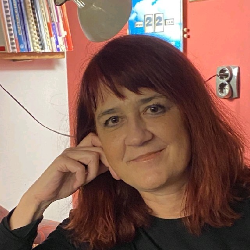
Psychologist with completed post graduated studies in Developmental Psychology. Huge experience in work with children/youth with special needs and chronically ill children/youth. Experienced in work with EU funded educational projects which beneficiary was the Republic of Serbia Ministry of Education, Science and Technological Development and with international teams. Expertise in regular and challenged children development, as well in psychological counselling parents who have children with different needs and chronically ill.
You May Like
Inclusive Classroom Practices: Identifying and Addressing Differences
The aim of the course is to enable participants to recognize and respond effectively to differences in the classroom, fostering a culture of acceptance and...
BrainBoost Academy: Advanced Cognitive Training for Youth & Adults
The aim of the course is to develop advanced cognitive, perceptual and multisensory skills in participants, empowering them to apply functional techniques of cognitive stimulation...
Teaching for All (Applying AI to Support Diverse Learners)
This course aims to empower educators with practical knowledge and hands-on skills to use Artificial Intelligence in ways that promote inclusion, accessibility, and equal participation...

Building a Collaborative Partnership Between Parents and Professionals in Early Intervention
Participants will learn how to strengthen parental competencies and offer appropriate support throughout the diagnostic process and daily life with a child experiencing developmental delays....
Stress management-burnout prevention
The goal of the course is to clarify the path that stress present to us, how we react to stressful situations, what emotions are involved...