Inclusive Learning Lab: Modern Approaches in Special Education and Rehabilitation
DATES
23-27.03.2026.
13-17.04.2026.
4-8.05.2026.
15-19.06.2026.
VENUE
Subotica, Belgrade
The aim of this course is to equip educators, teaching assistants, and school professionals with practical, evidence–based strategies for supporting students with developmental disabilities in inclusive and special education settings.
This five-day training provides participants with hands-on methods, tools, and approaches used in contemporary special education and rehabilitation. Through interactive workshops, observation, group tasks, and real-case simulations, participants will learn how to design individualized supports, adapt teaching materials, promote communication and social skills, manage challenging behavior, and strengthen school–family collaboration. The course also introduces innovative methods such as therapeutic gardens, sensory-based learning, and collaborative practices used in European schools. At the end of the training, participants will be able to apply the newly acquired strategies in their daily work and improve learning outcomes for students with diverse needs.
CURRICULUM
Module 1
Understanding Diverse Learners- Participants will explore key types of developmental difficulties, individual learning profiles, and the importance of functional assessment. The session introduces practical ways to identify student strengths and needs in order to plan effective support.
Module 2
Sensory Integration in Education – This day provides an overview of sensory processing challenges and their impact on learning and behaviour. Participants will engage in practical exercises, learn to recognize sensory needs, and discover simple classroom adaptations that improve attention and regulation.
Module 3
Inclusive Communication Strategies – Participants learn how to use visual supports, structured routines, simple communication systems, and social stories to enhance understanding and reduce frustration. The session highlights practical techniques for supporting students with limited speech, social communication difficulties, or diverse language needs.
Module 4
Positive Behavior Support – This session introduces the core elements of Positive Behavior Support with an emphasis on prevention, emotional regulation, and teaching alternative skills. Participants will learn how to identify behavioural triggers, design supportive routines, and create reinforcement strategies. Relax Kids principles — including calming techniques, breathing exercises, and simple relaxation routines — will be integrated to help students manage emotions, reduce stress, and improve classroom behaviour.
Module 5
Designing Individual Support Plans- Participants learn how to design clear, realistic, and meaningful Individual Support Plans based on student strengths and assessed needs. The session covers setting achievable goals, choosing appropriate teaching strategies, and planning classroom adaptations. Participants will practice creating simple monitoring tools to track progress and adjust support in collaboration with families and multidisciplinary teams.
CERTIFICATION
At the end of the Erasmus training course, all participants receive official documentation confirming their successful completion of the programme. Each participant is awarded a Certificate of Attendance, issued by the organising institution, which verifies the learning outcomes achieved, the total number of training hours, and the course topics covered.
In addition, participants receive a Europass Mobility Certificate, prepared in accordance with the Erasmus+ quality standards. This document records the skills, competencies, and knowledge gained during the course and is fully recognised across Europe, making it a valuable addition to professional portfolios and CVs.
Together, these certificates provide participants with formal recognition of their professional development, supporting further career advancement, mobility opportunities, and validation of newly acquired competencies within their educational or professional institutions.
Instructor
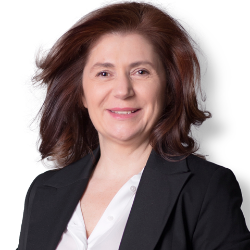
I am a special education and rehabilitation specialist with experience in supporting children with developmental difficulties and working closely with families and school teams. My work focuses on inclusive education, individualized support plans, sensory integration strategies, and AAC communication tools. I participate in professional trainings and international Erasmus projects where I share best practices and strengthen inclusive methodologies. As a certified IAIM infant massage instructor and Relax Kids coach, I also support early development and children’s emotional well-being. I am dedicated to continuous learning and applying innovative, evidence-based approaches in education.
You May Like
Inclusive Classroom Practices: Identifying and Addressing Differences
The aim of the course is to enable participants to recognize and respond effectively to differences in the classroom, fostering a culture of acceptance and...
BrainBoost Academy: Advanced Cognitive Training for Youth & Adults
The aim of the course is to develop advanced cognitive, perceptual and multisensory skills in participants, empowering them to apply functional techniques of cognitive stimulation...
Teaching for All (Applying AI to Support Diverse Learners)
This course aims to empower educators with practical knowledge and hands-on skills to use Artificial Intelligence in ways that promote inclusion, accessibility, and equal participation...
Building a Collaborative Partnership Between Parents and Professionals in Early Intervention
Participants will learn how to strengthen parental competencies and offer appropriate support throughout the diagnostic process and daily life with a child experiencing developmental delays....
Stress management-burnout prevention
The goal of the course is to clarify the path that stress present to us, how we react to stressful situations, what emotions are involved...